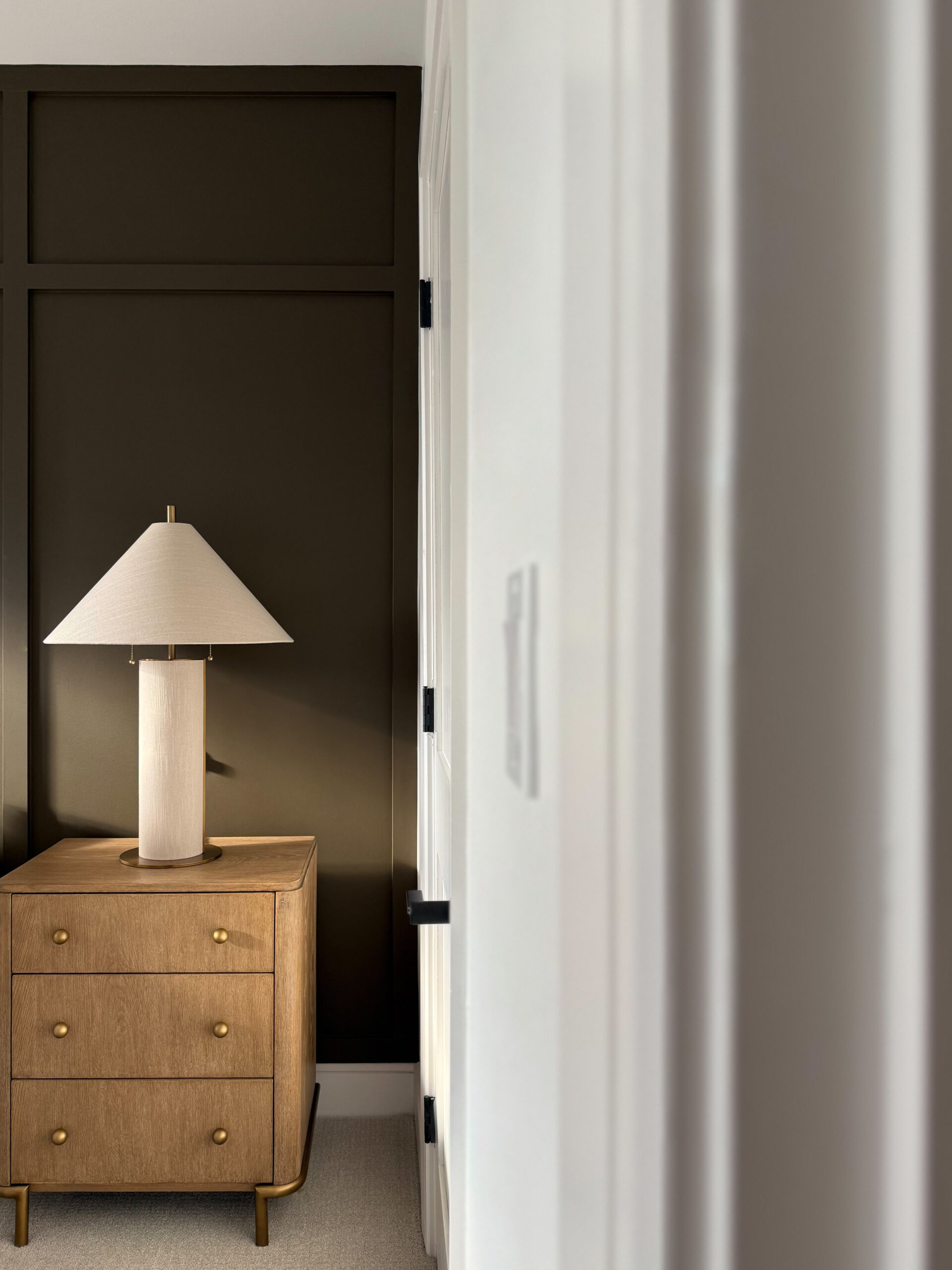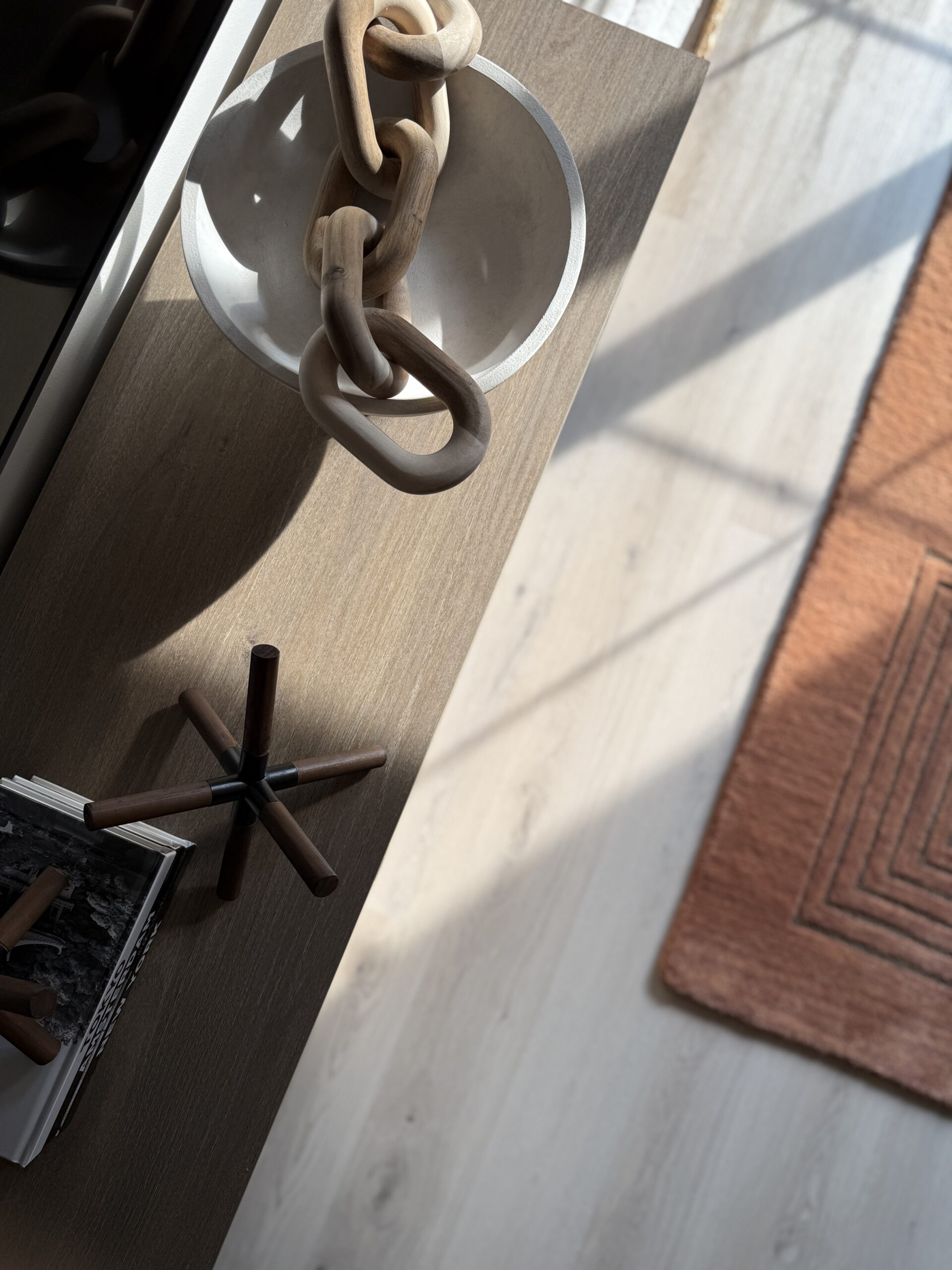

Moving into a new apartment, or home is exciting—your first look of the space is essentially the equivalent to starting a new painting on a blank canvas. The thought of finally settling in is exhilarating, but conversely, knowing that you now have to figure out how to decorate (especially while being on a budget) can …
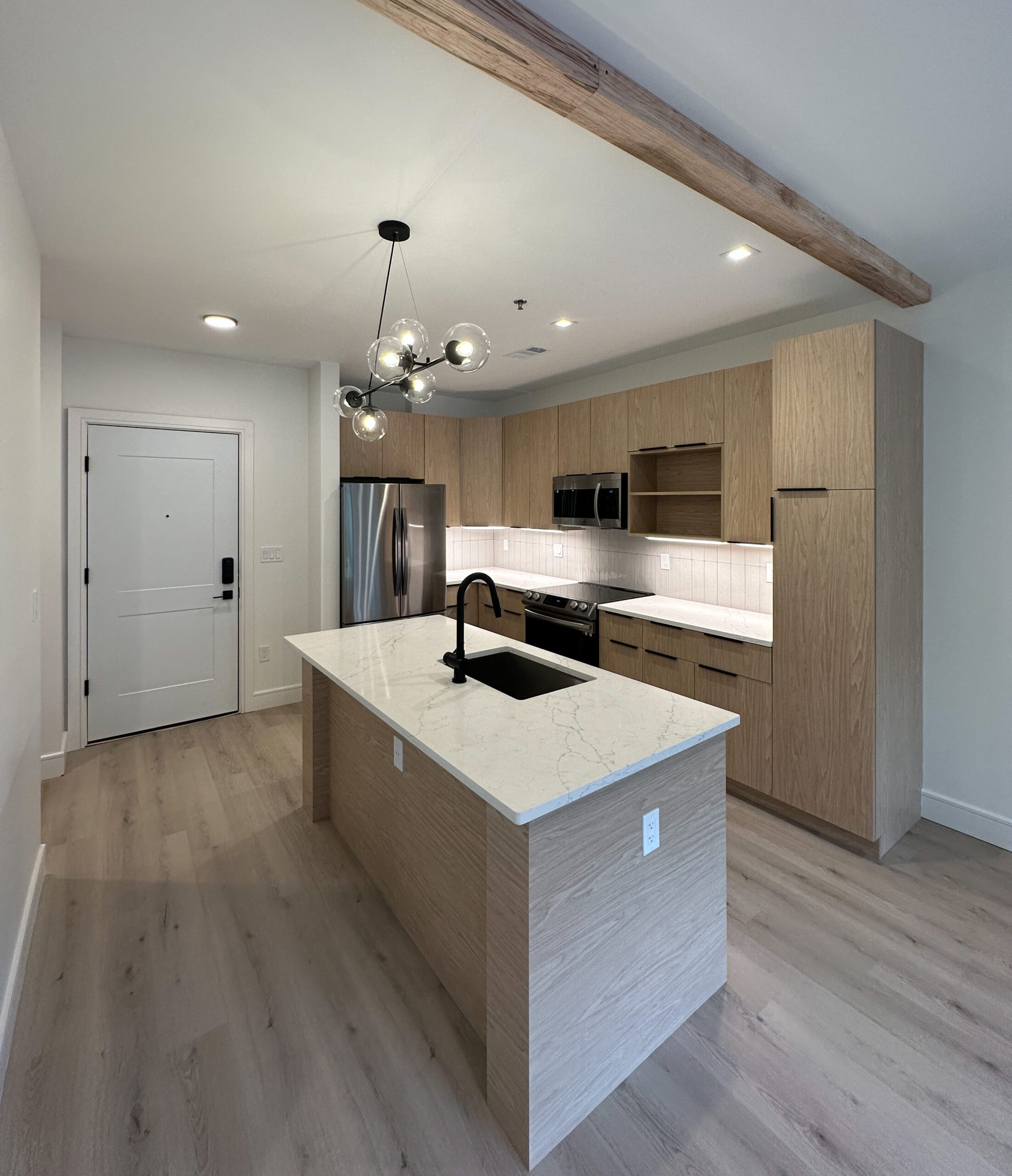

Moving into a new apartment, or home is exciting—your first look of the space is essentially the equivalent to starting a new painting on a blank canvas. The thought of finally settling in is exhilarating, but conversely, knowing that you now have to figure out how to decorate (especially while being on a budget) can feel overwhelming. Between choosing the right furniture, deciding on a color palette, and ascertaining the overall layout, it’s easy to get stuck. With the right approach and help, however, styling a home can prove to be much easier than you think. This article aims to put the real life scenario into perspective.
Start with a Clear Plan
Before buying furniture, or decor, take time to map out your apartment. Measure each room and think about how you’ll use the space. Ask yourself:
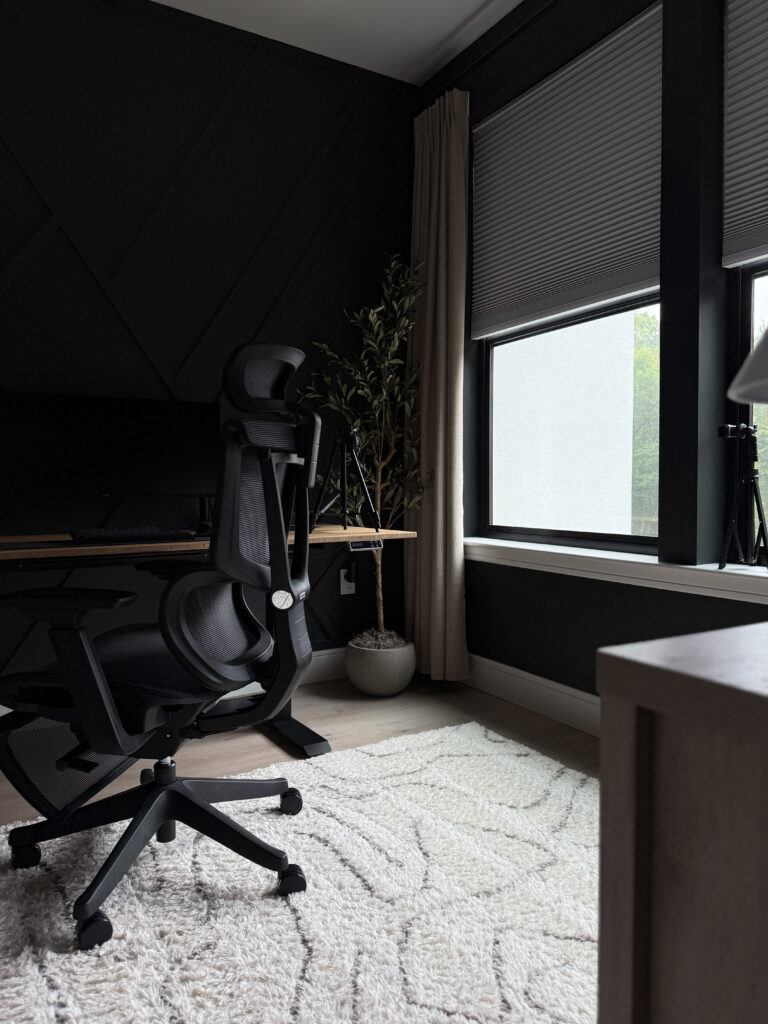
- Do you need a home office corner?
- Will you be entertaining guests often?
- How much storage do you realistically need?
Having a plan ensures your apartment decor choices support your lifestyle, rather than just filling space. You’ll come to realize that there is such a thing as “too much” when getting a home together. There can be too much furniture, too much decor and there can certainly be too much color (even in a minimalistic home.)
Choose a Cohesive Color Palette
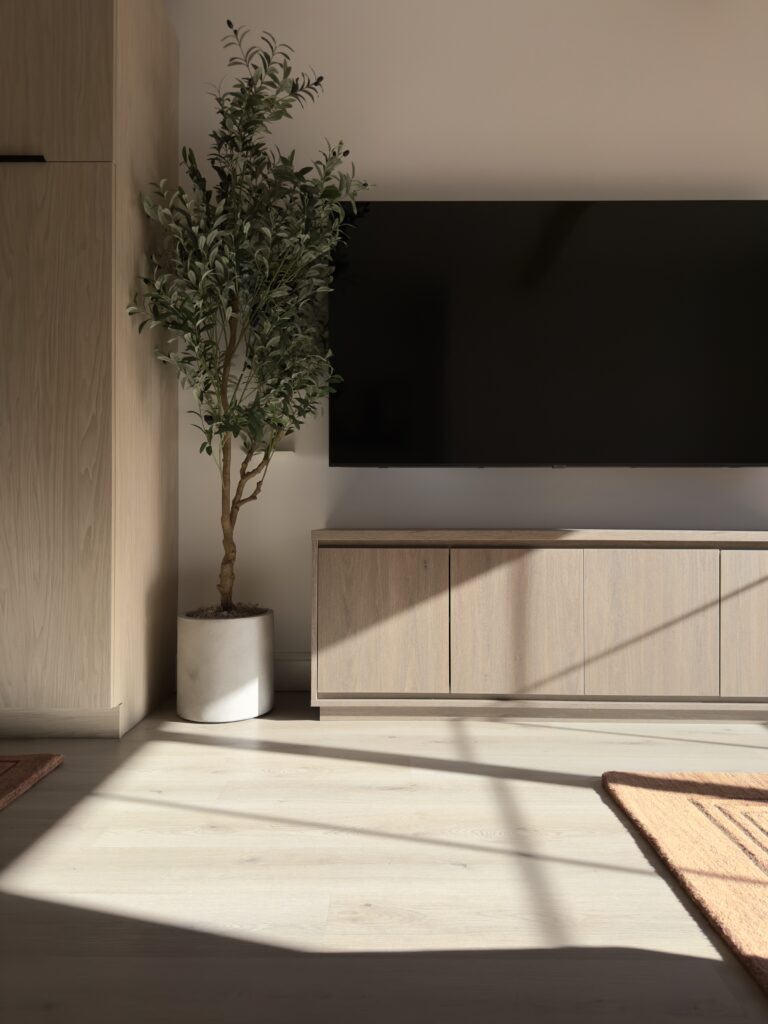
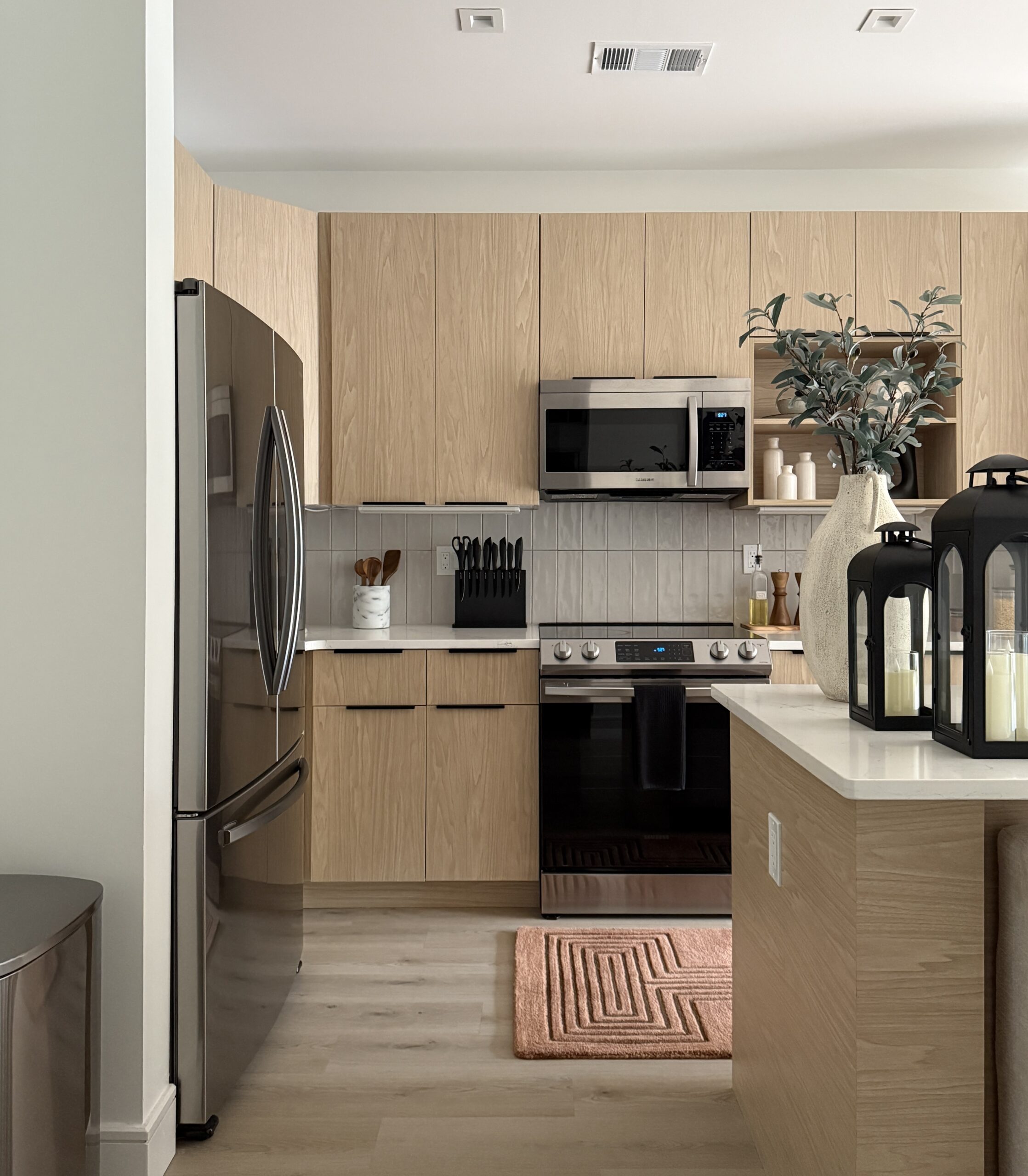
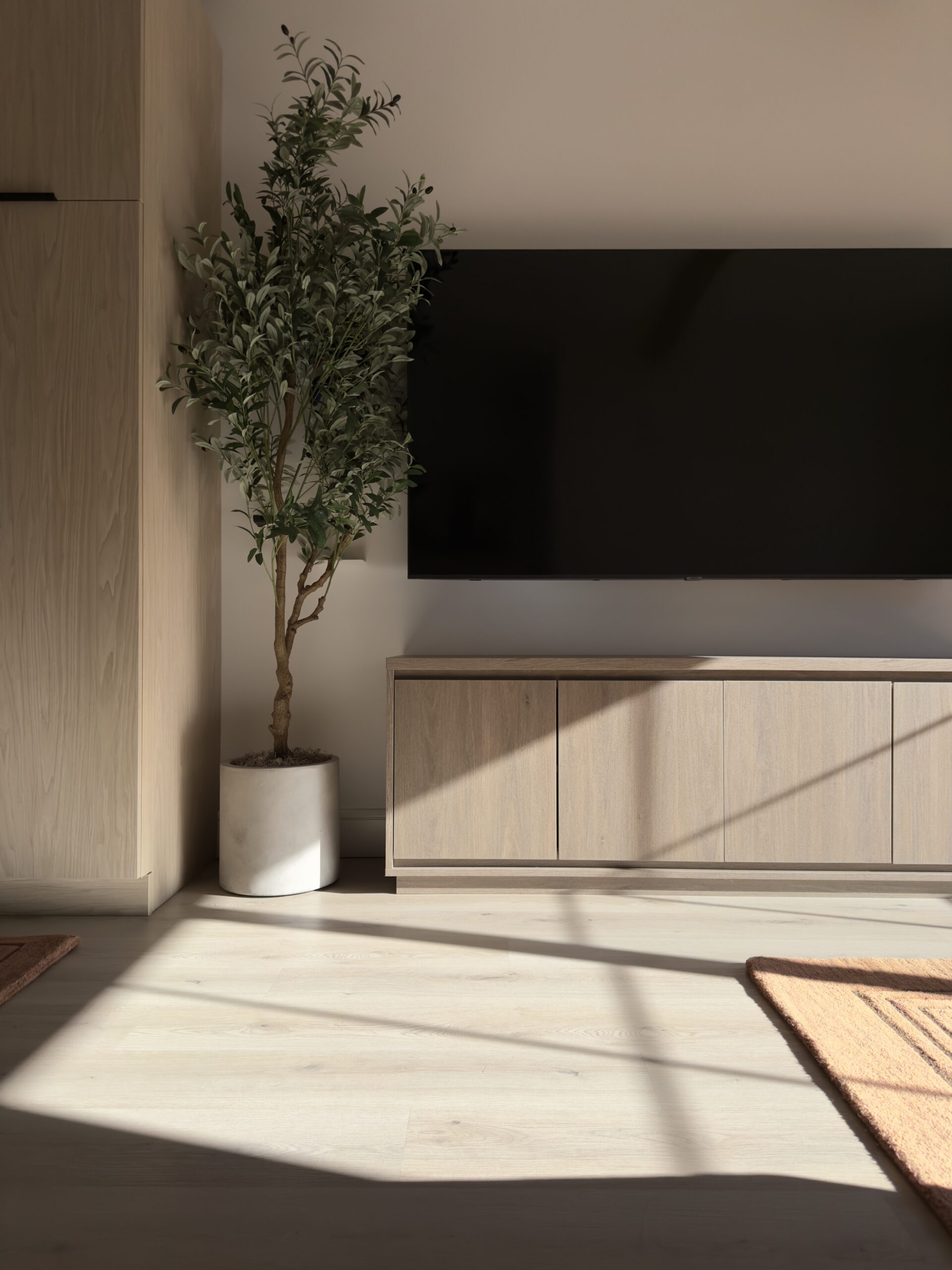
A unified color scheme sets the tone for your apartment. Neutral bases like white, beige, or soft gray tend to be very popular and go great with modern homes. Utilization of that specific scheme is not only common, but is also what I feel the easiest platform to build off of. With those colors in mind as the major statement pieces in your home (e.g., sofas, sectionals, wall art, vases, etc), it is imperative that you understand that in order for the home to feel complete, you must have some sort of contrast in the space. For example, it is great to keep the white, black, beige, ivory, taupe color scheme, but for there to be a true sense of thoughtful color diversity, it wouldn’t hurt to add some complementary alternatives. What this looks like is a living room with a primary color scheme of ivory and taupe (e.g., ivory vases and sofas, and taupe decor pieces) with a 7ft faux olive tree and an olive green textured area rug to contrast with the primary colors of the room. This approach works because, although we are going against the main colors of the home, the secondary colors are not just randomly plopped into the vision. In this case, the color of the rug goes with well with the color of the faux olive tree.
Pay Attention to Furniture Scale
Oversized furniture can overwhelm a small apartment, while pieces that are too small can make a large space feel empty. Always consider scale and proportion. For example, a sectional sofa may look perfect in a living room with open floor plans but could crowd a studio apartment. Opt for multi-functional furniture—like storage ottomans, or nesting tables—that saves space without sacrificing style.
Create Flow Between Rooms
One of the most important aspects of decorating a new apartment, or home is achieving good flow. To do this:
- Use area rugs to define spaces in open layouts.
- Stick to a consistent style and color palette throughout.
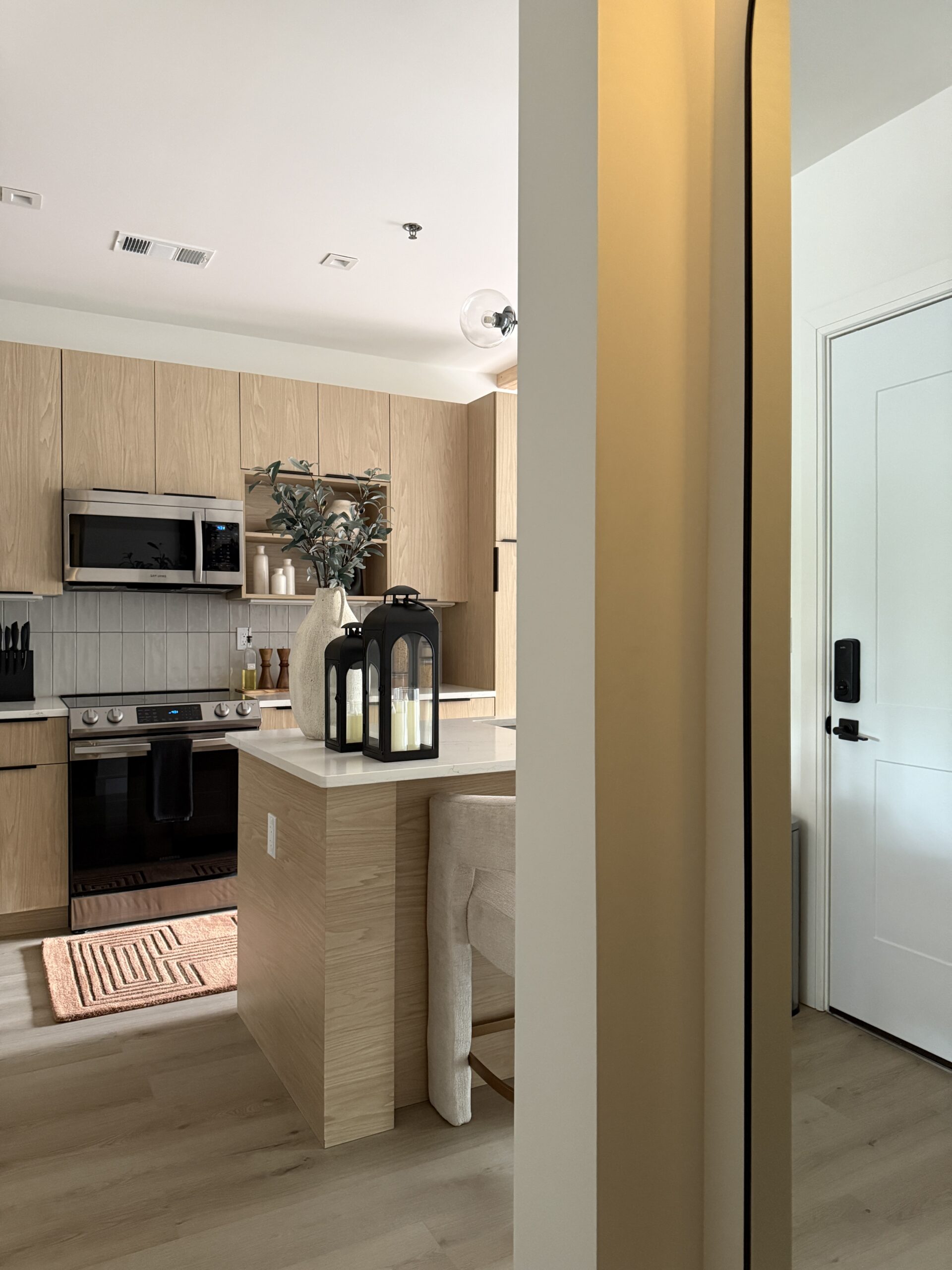
- Arrange furniture so that movement between rooms feels natural. You don’t want yourself, nor your guests to have to consistently twist and turn and cut corners in an open layout home. The space is open for a reason. Keep the space functional.
Layer Lighting for Atmosphere
Lighting dramatically impacts the mood of your apartment. Instead of relying solely on ceiling fixtures, incorporate a mix of table lamps, floor lamps, and wall sconces. Soft, layered lighting adds warmth and creates an inviting atmosphere in the evenings.
Personalize with Decor and Texture
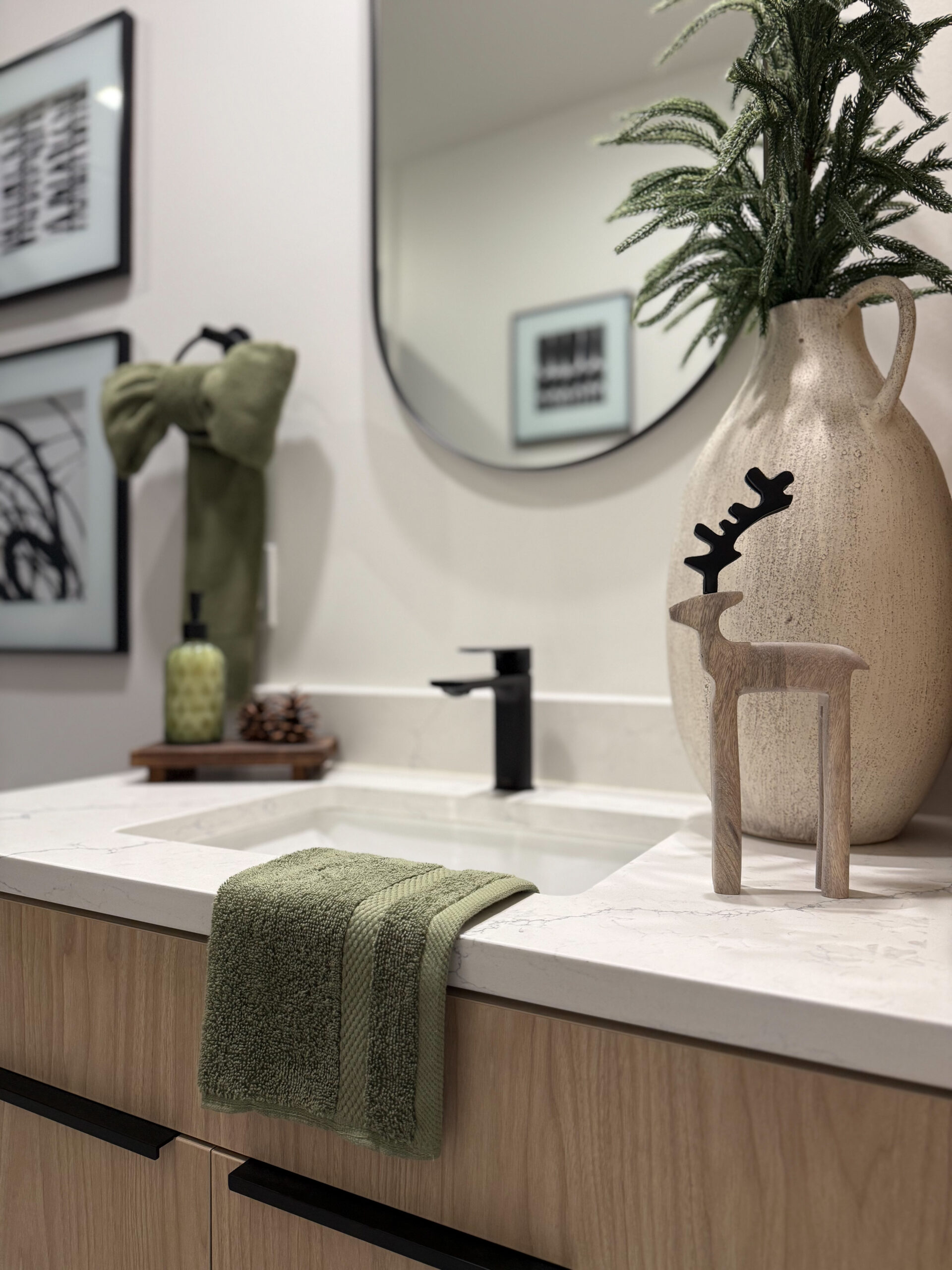
Your apartment should reflect your personality. Add character with wall art, decorative mirrors, and personal items like a wall gallery filled with family photos. Introduce texture through throws, cushions, curtains, and rugs—this helps balance modern furniture and makes the space feel more lived-in.
Don’t Overcrowd the Space
It’s tempting to buy a lot of decor at once, but minimalism often works best in, for example, apartment-style homes. Instead of filling every corner, leave some breathing room. A balanced approach prevents clutter and allows statement pieces—like an accent chair, or large artwork—to stand out.
Turning a New Apartment into a Home
Decorating a new apartment doesn’t have to be stressful. By planning your layout, putting some thought into your color choice, and focusing on flow, you can create a space that feels like it belongs. Remember: the best apartment decor balances comfort, personality, and practicality. With thoughtful choices, you’ll turn your new apartment into a home that fits your lifestyle perfectly.
Shop This Post
Be the first to read my posts
Get Inspired by the World of Interior Design
Thank you for subscribing to the newsletter.
Oops. Something went wrong. Please try again later.