
When in search of living room furniture, you will quickly come to realize that the media console is one of the most important pieces needed in the space for both storage and totality. Not only does it house your TV and entertainment essentials, but it also acts as a design anchor that ties the room …
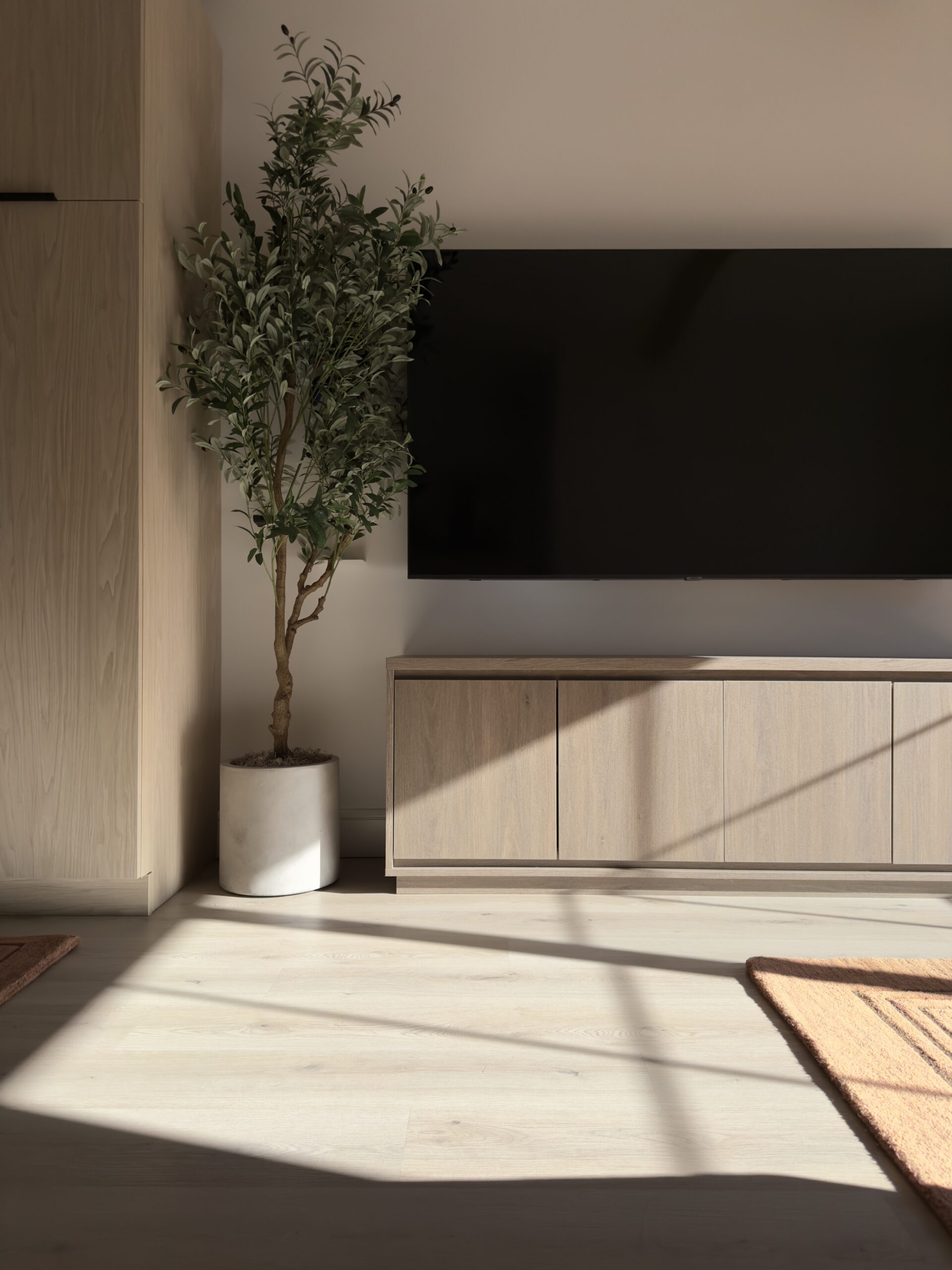

When in search of living room furniture, you will quickly come to realize that the media console is one of the most important pieces needed in the space for both storage and totality. Not only does it house your TV and entertainment essentials, but it also acts as a design anchor that ties the room together. Choosing the right media console comes down to more than just looks—it’s about finding the right size, height, and finish to complement your home’s aesthetic.
Here’s a breakdown of what to consider before buying a media console for your living room.
1. Media Console Size vs. TV Size
One of the biggest mistakes people make is choosing a console that doesn’t match the size of their TV.
- Console Width: A good rule of thumb is that your media console should be at least a few inches wider than your TV on both sides. This prevents the TV from looking oversized. For example, if you have a 65-inch TV, look for a console that’s around 70–80 inches wide.
- Console Depth: Ensure it’s deep enough to support the TV stand (if you’re not wall-mounting) and store devices like cable boxes, or gaming consoles.
- Proportion: In an open concept apartment, like mine, proportion matters even more. Since the living, dining, and kitchen areas flow together, the console shouldn’t overwhelm the space.
2. Media Console Height
Height is another key factor. If the console is too short or too tall, it throws off the viewing experience.
- Ideal Height: The center of your TV should sit at eye level when you’re seated. For most couches, that means the console height should fall between 24 and 30 inches.
- Seating Considerations: If you have low-profile seating, opt for a shorter console. With taller sectionals, or recliners, a slightly higher console works best.
3. Choosing the Right Color and Finish
This is where the design magic happens. A media console doesn’t have to match every other piece of wood in your home—it just needs to complement the space.
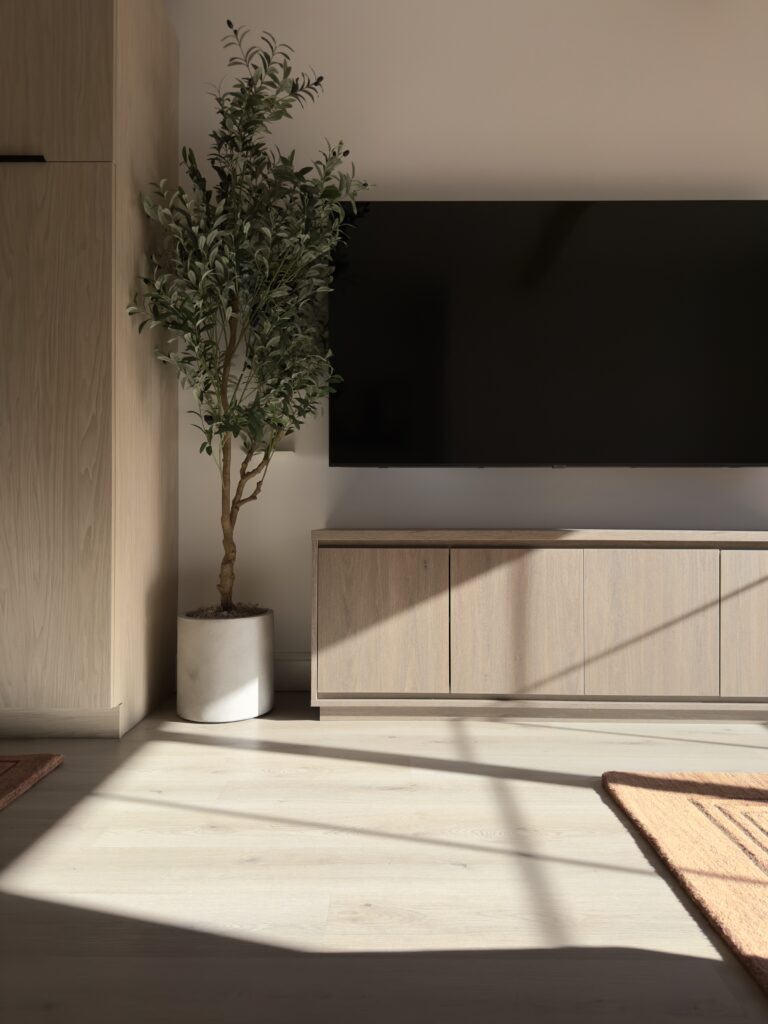
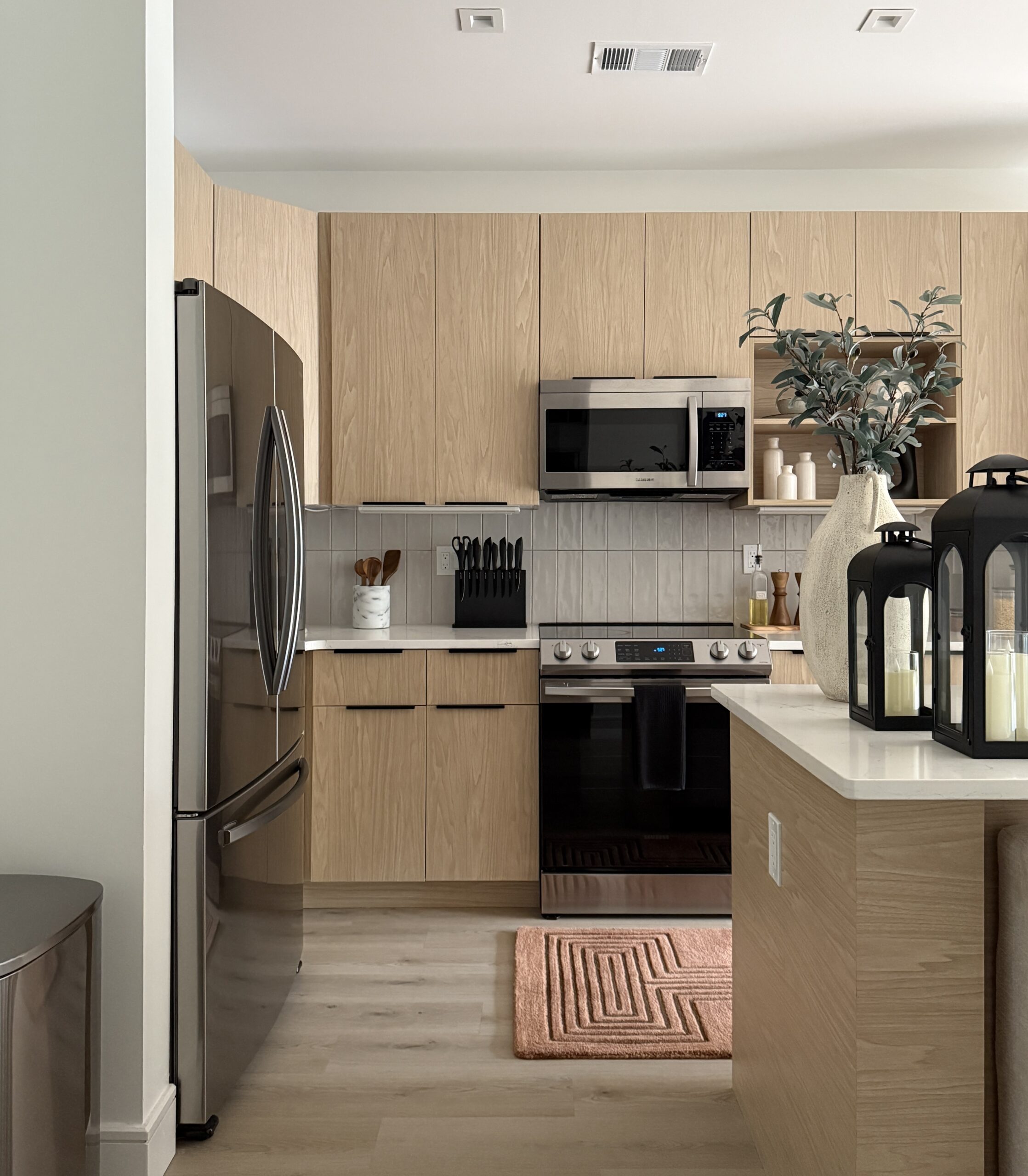
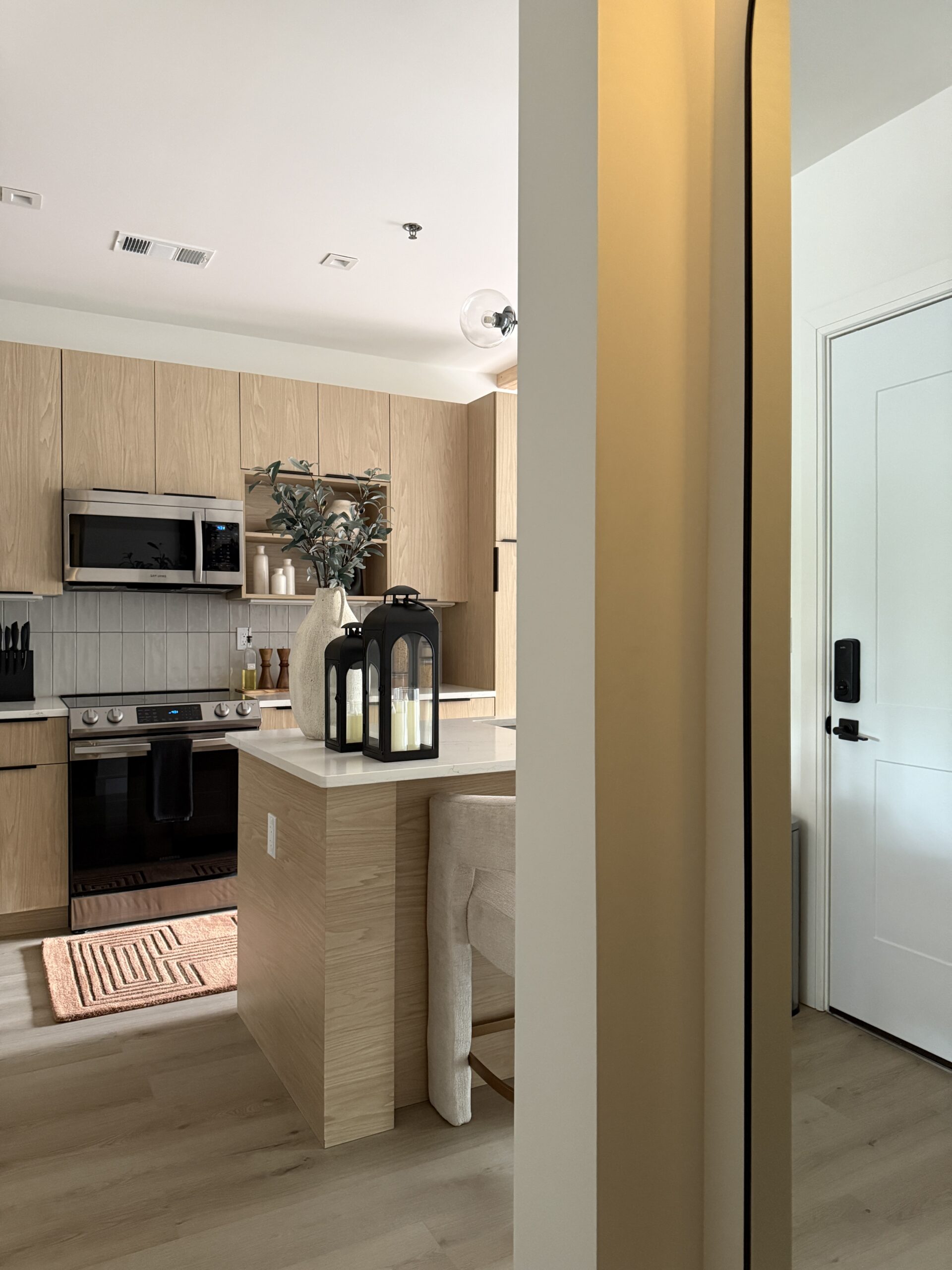
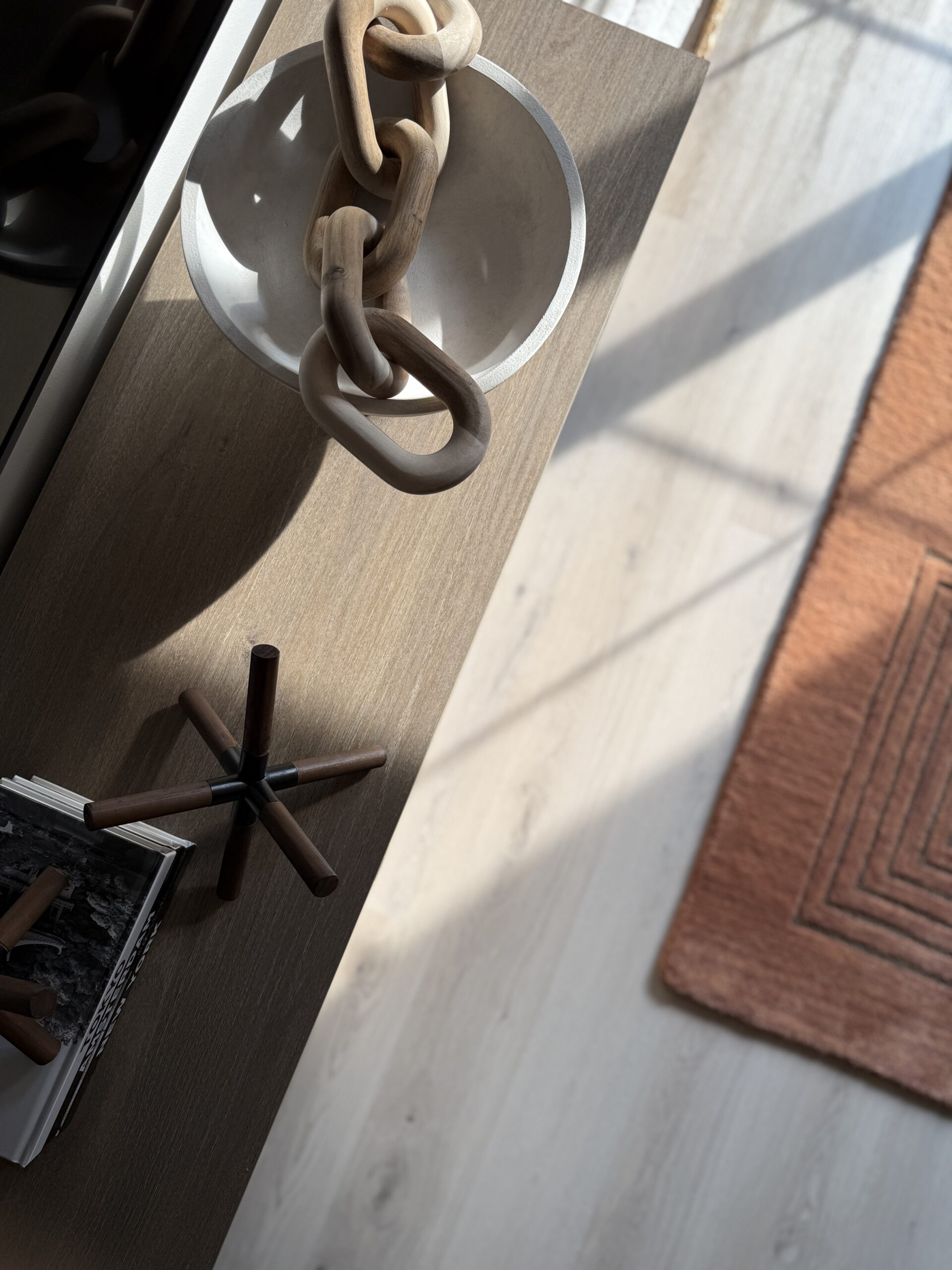
In my open concept apartment, for example, I have bamboo-style kitchen cabinets. My media console is a different type of wood and a slightly darker color. At first, I worried about mixing finishes, but the truth is: it works beautifully because my flooring is closer in color to the console, which causes the piece to do well in the space.
Here are a few style tips for finishes:
- Walnut Media Consoles: Walnut works well in modern and mid-century spaces.
- Oak Media Consoles: Oak consoles are perfect for Scandinavian, or minimalist aesthetics.
- Contrasting Finishes: Don’t be afraid to mix wood tones. As long as one element (like flooring) ties them together, the contrast will work.
- What I recommend against: White, black, or matte painted consoles. If you’re in search of a look that shows you put some thought into the design, stick to the wood-finished pieces.
One of the final and perhaps biggest gems I can provide to you, especially in the presence of open concept homes, or apartments where the kitchen, living room and dining room (if applicable) are one, is to match the media console finish with the decor, or kitchenware.
In one of my next projects, I plan on taking the wood finish of the media console and matching its color with the serveware I have placed in the kitchen as a decor statement. This keeps a consistent look throughout the home and shows that you have put some thought into matching colors and maintaining a specific aesthetic within the space.
4. Functionality and Storage
A media console should be more than just a pretty face—it must also handle your storage needs.
- Closed Storage: Great for hiding clutter, remotes, and cords.
- Open Shelving: Perfect for displaying books, plants, or decor pieces.
- Cable Management: Look for consoles with cutouts or back panels that help conceal wires.
In an open concept apartment, having a clean and clutter-free media console is essential since the living area flows directly into the kitchen and dining space.
5. Making it Work in an Open Concept Apartment
If you live in an open concept space like I do, the media console becomes a visual divider between your living room and kitchen. Choosing a finish that complements both areas is key.
For me, even though my console doesn’t match my bamboo cabinets, the color of my flooring ties the whole room together. This shows that it’s less about matching every finish perfectly and more about creating fluidity across the space.
Tip: Bring in accent decor—like a rug, throw pillows, or a coffee table—that echoes the console’s color. This helps the piece feel intentional and connected to the overall design.
Finding the Right Media Console for Your Style
Choosing the right media console is all about balance—size, height, and finish all need to work together. My own setup proves that not every finish has to match—what matters most is how the pieces complement each other. A well-chosen media console isn’t just furniture; it’s the anchor that makes your living room feel complete.
Be the first to read my posts
Get Inspired by the World of Interior Design
Thank you for subscribing to the newsletter.
Oops. Something went wrong. Please try again later.